
Breath Awareness for Energy Flow
By Kiran Wu / Oct 16
How often do you feel overwhelmed by the chaos of daily life? Discovering the art of qi balancing could be the key to finding your inner peace and enhancing your overall well-being.
Regular practice offers numerous benefits across various aspects of health and well-being. The visual representation below highlights the specific advantages of engaging in qi balancing techniques. To learn more about how these practices work, explore our article on meridians and acupuncture treatment outcomes.
Regular practice can boost your immune system and improve circulation.
Engaging in qi balancing helps clear mental fog, allowing for better focus and concentration.
It aids in managing stress, anxiety, and emotional turmoil, leading to a more harmonious state.
Qi balancing promotes better posture and physical stability, reducing the risk of injuries.
When we talk about qi balancing, we're diving into a fascinating realm of energy within Traditional Chinese Medicine (TCM). Qi, often described as life force or vital energy, flows through various pathways known as meridians. Understanding qi balancing is not just about improving health; it’s about promoting a sense of harmony and well-being in our lives. In a world that often feels chaotic, recognizing how to balance our qi can help us find our center and embrace healthier lifestyles.
The *historical context* of qi balancing stretches back thousands of years. Ancient practitioners of TCM discovered that blockages in qi could lead to physical and emotional ailments. It matters deeply because achieving balance impacts our health in profound ways. Imagine standing at a serene pond; when the water flows freely, life flourishes beneath the surface. This is akin to how balanced qi can enhance our vitality and personal well-being. For further reading on this topic, consider exploring understanding acupuncture and meridians.
Qi balancing involves various practices aimed at enhancing the flow of energy throughout the body. These practices can include acupuncture, qigong, and *mindfulness techniques*. Each method serves to clear blockages and ensure that qi circulates freely, promoting physical health as well as emotional stability. It's about creating a space where our energy can thrive!
Why is this important? A well-balanced qi can lead to numerous benefits, such as improved mood, reduced stress, and greater overall health. Think of it as tending to a garden; when we nourish the soil and water the plants, they blossom beautifully. Similarly, when we nurture our qi, we create a healthier and more vibrant self.
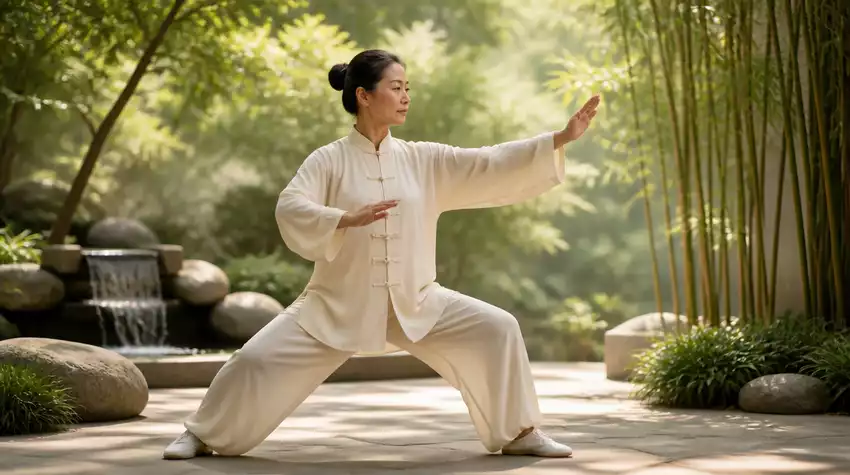
Now, let's explore qigong! While it might sound similar, qigong is distinct from practices like tai chi and other forms of breathwork. Qigong combines movement, breath, and visualization to cultivate and balance qi. While tai chi often emphasizes martial arts movements, qigong focuses more on gentle, flowing motions and mental concentration. This makes it particularly accessible for beginners.
Understanding these differences can help you choose which practice resonates best with you. Each offers unique benefits, so feel free to explore and find what fits your journey!
Traditional Chinese Medicine plays a fundamental role in the understanding of qi and its balancing practices. TCM principles highlight the importance of meridians, the pathways through which qi flows. Just like roads on a map, these meridians help guide energy throughout our bodies. When they're clear, we function optimally! Discover more about energy flow and acupuncture treatment.
In this framework, health is viewed as a balance between various forces. By working with these principles, practitioners can develop personalized approaches to address individual needs. Whether it’s through acupuncture, herbal remedies, or lifestyle changes, TCM helps create pathways for qi to flow freely, leading to enhanced health and harmony.
At The Meridian Connection, we believe that embracing these principles can guide you on an enlightening path toward holistic wellness. By understanding and harnessing the power of qi, you're taking the first steps towards a healthier, more balanced life!
To maximize the benefits of your qi balancing practice, consider setting aside a few minutes each day for mindfulness meditation. This practice not only helps clear your mind but also enhances your ability to connect with your qi. A calm, focused mind can significantly improve your energy flow and overall well-being!
Practicing qi balancing regularly can lead to a myriad of benefits for your body, mind, and spirit. By incorporating these simple yet profound practices into your routine, you can experience *improved energy levels*, *greater emotional stability*, and a sense of overall wellness. It’s fascinating how something as gentle as mindful movement can create such lasting positive effects!
Let’s explore some specific advantages of qi balancing practices that can enhance your life:
To further enrich your qi balancing journey, consider integrating energy healing techniques such as acupuncture and sound healing. These practices work beautifully together, complementing each other in promoting energy flow and overall well-being. For instance, acupuncture can help release blockages in your meridians, while sound healing can elevate your vibrational state.
Here’s how these energy healing techniques can enhance your qi balancing practice:
As I reflect on my own experiences at The Meridian Connection, I’ve witnessed how integrating these techniques has transformed lives, allowing individuals to tap into their inner vitality and balance more effectively. For more insights, read about balancing qi for better health.
Joining a community can be incredibly beneficial as you embark on your qi balancing journey. Connecting with others who share your interests can provide motivation, insights, and encouragement. There are numerous resources available online that can guide your practice and help you deepen your understanding of qi balancing.
As you embrace qi balancing, consider expanding your self-care practices to include holistic health approaches. This might involve exploring herbal remedies, nutrition, and mindfulness techniques that align with your energy work. Remember, a well-rounded approach can significantly enhance your qi flow and overall health.
Here are some self-care practices you might want to explore:
At The Meridian Connection, I always encourage individuals to discover what resonates with them on their wellness journey, allowing for a more personalized experience that nurtures both body and spirit.
As we wrap up our exploration of qi balancing, let’s highlight the main points we’ve discussed. Regular practice offers a wealth of benefits, including improved physical health, mental clarity, and emotional stability. Integrating energy healing techniques and engaging with the community can further enrich your experience. Remember, focusing on posture, breath, and gentle movement is key to unlocking the full potential of qi balancing.
Now is the perfect time to start your qi balancing practice! I invite you to try out the exercises we’ve discussed, join a supportive community, and explore additional resources to enhance your journey. Remember, you are not alone in this; we’re all in this together, and The Meridian Connection is here to support you every step of the way! For more information on how to get started, check out our guide on recognizing and restoring your qi.
Here is a quick recap of the important points discussed in the article:
By Kiran Wu / Oct 16
By Kiran Wu / Oct 11
By Kiran Wu / Oct 04