
Breath Awareness for Energy Flow
By Kiran Wu / Oct 16
Acupuncture is not just about needles; it's a holistic journey into the heart of your body's energy systems. Did you know that the pathways of energy, known as meridians, play a crucial role in your overall health and well-being? Understanding these can transform how you approach healing.
Acupuncture targets specific meridians, each linked to various health conditions. Below is a visual representation of key meridians and their relevant applications in healing. For a comprehensive overview, consider exploring understanding acupuncture and meridians.
Promotes urinary health and aids in waste expulsion.
Helps reduce migraines and headaches.
Supports detoxification and emotional balance.
Supports digestion and menstrual health.
Acupuncture is a vital practice within Traditional Chinese Medicine (TCM) that has been around for thousands of years. At its core, it involves inserting fine needles into specific points on the body to promote healing and balance. This method isn't just about pain relief; it's a holistic approach that addresses both physical and emotional well-being, making it a key component of my work at The Meridian Connection.
To truly grasp how acupuncture works, we must first understand the concept of meridians. Meridians are like invisible highways that carry qi, or life force, throughout the body. When these pathways are open and flowing smoothly, our energy supports overall health. However, blockages can lead to discomfort or illness, highlighting the importance of maintaining a healthy qi flow for optimal healing.
In TCM, there are 12 primary meridians, each associated with specific organs and elements. For example, the Liver is connected to Wood, while the Kidney relates to Water. Understanding these connections is crucial as they guide how we approach treatment. Here’s a brief overview of the 12 main meridians:
These meridians work in pairs, known as yin and yang, to maintain balance within our bodies. For example, the Liver (yin) works in harmony with the Gallbladder (yang). When one is out of sync, it can disrupt the entire system, emphasizing the need for balance in our healing practices. For more information on maintaining this balance, consider reading about balancing qi for better health.
The Body Meridian System is a framework that helps us understand how meridians connect to various aspects of our health and energy flow. Each meridian corresponds to specific emotions, organs, and even seasons, making it a rich tapestry of interconnection. When we think about our health, it’s important to consider how these pathways influence our overall well-being.
However, sometimes these meridians can become blocked, leading to a range of health issues. For instance, emotional stress can create stagnation in the Liver meridian, resulting in physical symptoms like headaches or digestive problems. Recognizing these blockages is the first step towards restoring balance and enhancing our health.
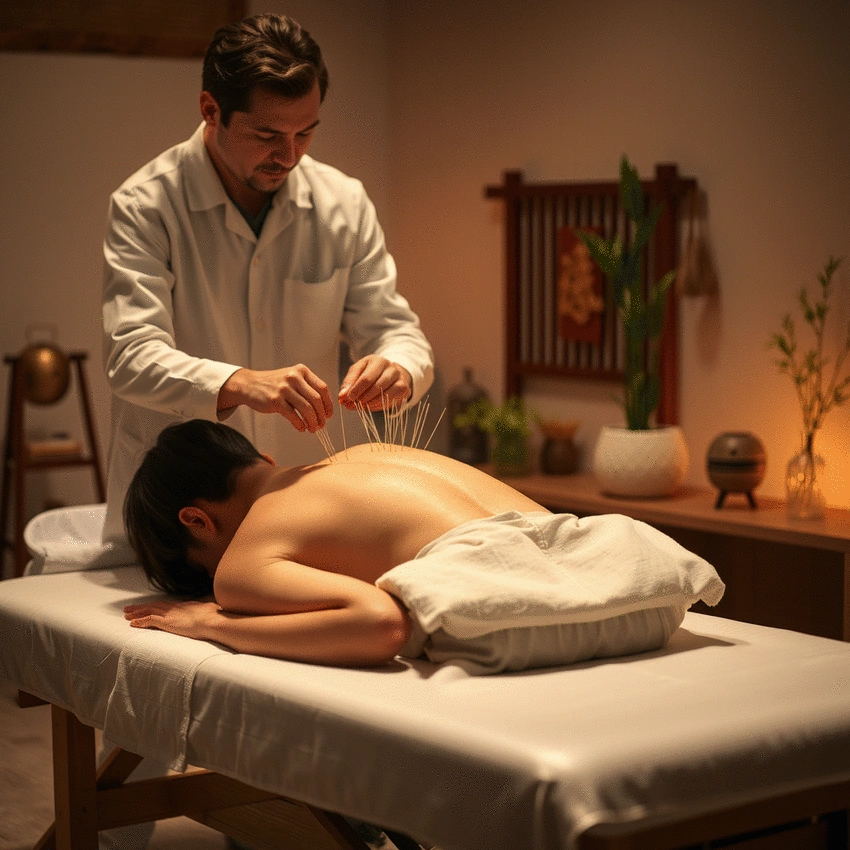
The process of acupuncture involves a gentle yet purposeful needling technique that targets specific acupoints along the meridians. By stimulating these points, we can effectively unblock qi stagnation, allowing energy to flow freely again. It’s fascinating to observe how a simple needle can have profound effects on our bodies!
One key aspect of acupuncture is the De Qi sensation, which refers to the feeling of fullness or heaviness around the needle site. This sensation indicates that the treatment is working, triggering neuronal and humoral responses that aid in the healing process. As I see it, it’s a beautiful reminder of our body’s ability to heal itself when provided with the right tools!
Within the meridian system, specific acupoints play crucial roles in addressing various health conditions. For example, the Spleen meridian is significant for digestive issues, while the Liver meridian can help alleviate stress and emotional imbalances. Here are a few acupoints and their associated meridians:
Understanding these connections allows practitioners like me to create targeted treatment plans that address individual needs. Whether you’re seeking relief from pain or emotional support, acupuncture can be tailored to suit your specific conditions. To delve deeper into how these treatments yield positive results, explore meridians and acupuncture treatment outcomes.
Acupuncture can be a powerful tool for treating a variety of conditions by focusing on specific meridians. For instance, stimulating the Bladder meridian can aid in waste expulsion and urinary issues, while the Gallbladder meridian may effectively alleviate migraines and headaches. Here are some common conditions treated through targeted acupuncture:
By using specific acupuncture points associated with these meridians, we can achieve meaningful results in our patients’ healing journeys. It’s always rewarding to witness the positive changes that come from such focused treatments!
Recent scientific studies have shed light on the functionality of meridians and the mechanisms behind acupuncture. For instance, fMRI studies have shown how acupuncture can influence qi flow and affect bodily functions. It’s exciting to see the integration of acupuncture into modern medical practices, offering a complementary approach to health.
As more research emerges, we discover new clinical applications for acupuncture, reinforcing its value as a healing practice. By bridging the gap between traditional wisdom and modern science, we can enhance our understanding of how acupuncture supports health and vitality.
Acupuncture doesn’t stand alone in the realm of Traditional Chinese Medicine. Other practices like herbal medicine, moxibustion, and cupping therapy also contribute to meridian health. Each of these methods can complement acupuncture in powerful ways:
Combining these treatments can provide a more holistic approach to health, allowing individuals to experience a balanced restoration of their energy flow. It’s wonderful to see how these practices work hand-in-hand for comprehensive healing!
To further understand how meridians operate within our bodies, visual aids such as diagrams and maps can be incredibly helpful. These visuals depict the 12 meridians and their connections to various organs, making the concept of energy flow much clearer. At The Meridian Connection, we often utilize tables to summarize meridian pathways and their associated health benefits, creating an informative resource for our community.
By visualizing these pathways, we can cultivate a deeper appreciation for how acupuncture works and the intricate connections that exist within our bodies. I encourage you to explore these diagrams—they’re an excellent way to enhance your understanding of TCM and the power of your own energy system!
Did you know? Regular acupuncture sessions can help not only in alleviating specific symptoms but also in maintaining overall wellness by keeping your qi flowing smoothly. Consider scheduling treatments as a preventive measure, allowing your body to remain balanced and energized throughout the seasons!
As we wrap up our exploration of acupuncture and its profound connection to meridian pathways, it's clear that understanding qi flow is pivotal for promoting healing. Acupuncture effectively utilizes these meridian networks to restore balance and enhance well-being. Each needle insertion isn’t just about alleviating a symptom; it’s about fostering a deeper connection to our body’s energy systems.
When we recognize the importance of qi flow, it opens up a world of possibilities for our health. This understanding can empower us to take control of our wellness journey. Just as a river flows freely, allowing life to thrive around it, so too should our energy flow throughout our bodies. To learn more about this, read our article on energy flow and acupuncture treatment.
Integrating acupuncture into your health routine can be a game changer! Combining acupuncture with other health practices can significantly improve treatment outcomes. Here are a few ways to enhance your holistic approach:
At The Meridian Connection, we encourage you to explore acupuncture as a valuable complementary therapy. Consulting a qualified practitioner can provide tailored insights and treatments that resonate with your unique needs. Who knows? You might discover a whole new world of wellness!
Hearing from those who have experienced acupuncture firsthand can be incredibly inspiring. Many patients share stories of transformation, highlighting how acupuncture has helped them overcome various challenges. Here are some common themes in their testimonials:
However, it's essential to choose a qualified practitioner for your acupuncture journey. Look for someone with appropriate training and experience in Traditional Chinese Medicine. Their expertise ensures that you receive safe and effective treatment, allowing you to fully benefit from the healing power of meridians. Learn more about balancing qi through acupuncture benefits.
Your voice matters! I invite you to share your personal experiences with acupuncture treatments. Have you felt a remarkable shift in your energy or health? What insights do you have about the meridians and their impact on well-being? Your stories could inspire others on their journey!
Feel free to ask questions too! Whether you’re curious about specific meridians or want to explore the benefits of acupuncture further, we’re here to engage in a lively conversation. Together, we can foster a vibrant community of learners eager to delve into the fascinating world of Traditional Chinese Medicine.
To deepen your understanding of acupuncture and its related practices, I recommend exploring reputable studies and articles that delve into these subjects. Here’s a short list of resources to get you started:
Continuing your exploration of Traditional Chinese Medicine can open doors to new healing possibilities! With the right knowledge and resources, you can embark on a fulfilling journey toward holistic wellness. Discover more about meridian theory and energy healing.
Here is a quick recap of the important points discussed in the article:
By Kiran Wu / Oct 16
By Kiran Wu / Oct 11
By Kiran Wu / Oct 04