
Breath Awareness for Energy Flow
By Kiran Wu / Oct 16
Did you know that Traditional Chinese Medicine (TCM) has been evolving for centuries, shaped by historical milestones that highlight the interconnectedness of our physical and emotional health? Meridian Theory, a fundamental concept in TCM, serves as a guiding principle for understanding how energy flows through our bodies. This understanding can empower individuals to enhance their well-being through various holistic practices.
Explore the pivotal developments in Meridian Theory from the Han Dynasty to the 20th century, highlighting the evolution and standardization of practices. For a deeper dive into the foundational aspects of this ancient practice, consider understanding acupuncture and meridians.
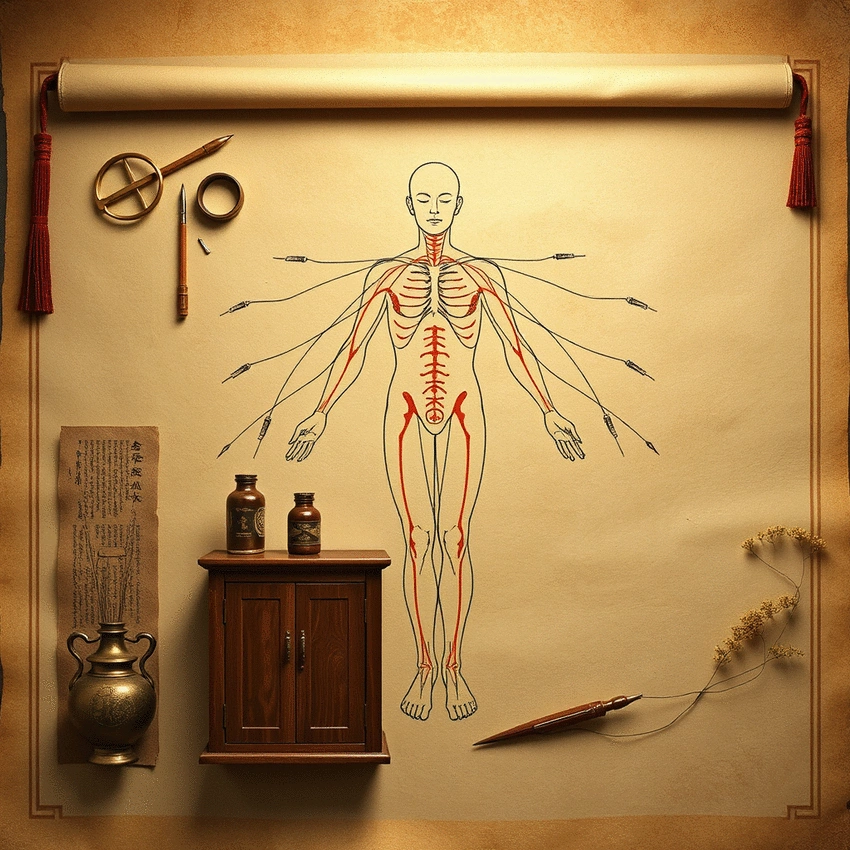
Meridian Theory is a cornerstone of Traditional Chinese Medicine (TCM), embodying centuries of accumulated wisdom about the body's energy pathways. At its heart, this theory describes how qi, or vital energy, flows through a network of meridians, impacting our health and balance. Understanding this intricate framework is essential for anyone interested in enhancing their well-being through TCM practices.
Why is Meridian Theory so significant? It serves as a guiding principle for acupuncture, herbal medicine, and various healing practices within TCM. By grasping how these meridians interact, we can better appreciate how treatments are designed to restore harmony and balance in our bodies. This interconnectedness of physical and energetic health is what drives our mission at The Meridian Connection—to illuminate these pathways and empower individuals to embrace holistic health.
In essence, Meridian Theory presents a map of how energy circulates within the body. It highlights the meridians, which are like highways that transport qi to various organs and tissues. This flow is crucial for maintaining health, as blockages can lead to physical or emotional ailments. Learning more about energy flow in Traditional Chinese Medicine can provide further insights.
The significance of Meridian Theory cannot be overstated! It not only informs TCM practices but also supports the notion that our emotions and physical health are intricately linked. By fostering an understanding of these connections, we can take proactive steps to maintain our energy balance. Here are some key reasons why Meridian Theory matters:
When delving into the history of Meridian Theory, it's important to recognize the curiosity that drives many to explore TCM. Individuals often seek answers to questions about their health, wellness, and emotional well-being. The theory serves as a framework for understanding how these aspects are interconnected, highlighting why so many are drawn to its principles.
People commonly search for information on various aspects of Meridian Theory, and their intent can vary. Some are looking for practical applications, while others seek deeper knowledge about the philosophical underpinnings of TCM. Here are some common search intents:
At The Meridian Connection, we believe that addressing these intents not only enhances understanding but also encourages individuals to engage more deeply with their health journey. By exploring Meridian Theory, we can open doors to discovering practical ways to nurture our energy flow and overall well-being.
Here's a brief recap of the key points discussed so far:
As we delve into the intricate history of Meridian Theory, it's essential to recognize the gaps that can exist in our understanding. Many of us, including myself, might overlook crucial developments that shaped this fascinating field. By highlighting the chronological advancements from the Han Dynasty to the modern era, we can paint a clearer picture of how meridian theory has evolved and how it remains relevant today. This journey helps us to explore the connection between meridians and health more thoroughly.
The Han Dynasty marked significant milestones in TCM, where foundational concepts began to take shape. This period laid the groundwork for further exploration into the connections between health and energy flow, ultimately leading to a deeper understanding of our body's meridian systems. As we traverse through history, let’s take a closer look at the contributions made during the Ming and Qing Dynasties, and how these eras refined our knowledge.
During the Ming and Qing Dynasties, scholars made remarkable contributions that enriched our understanding of meridian theory. They didn’t just focus on the existing knowledge but sought to expand it through research and practical applications. Here’s a glimpse into some key developments:
The Ming and Qing periods were pivotal for meridian theory. During this time, a deeper investigation into the principles of qi and the meridian pathways took place. A greater emphasis on empirical evidence emerged, which helped bridge the gap between theory and practice. Scholars meticulously documented their findings, leading to a resurgence of interest in acupuncture and its benefits.
One of the notable figures from the Ming Dynasty, Li Shizhen, compiled the famous "Compendium of Materia Medica," which explored not just herbs but also the connection to meridians. His work continues to influence TCM today and emphasizes the importance of understanding the historical context behind these theories.
Moving into the 20th century, the standardization of meridian practices became more pronounced, especially following the establishment of the People's Republic of China in 1949. The government recognized TCM's potential and sought to integrate it into the national healthcare system. This effort not only enhanced the credibility of acupuncture and meridian theory but also broadened its reach, making it accessible to a wider audience.
The efforts to formalize meridian practices included the development of training programs for practitioners, ensuring consistency in how acupuncture was taught and applied. This was a significant step towards solidifying the role of meridians in TCM, as it allowed for a more structured approach to treatment.
As we move into modern times, scientific validation of meridian theory has become a focal point of interest. Although TCM has centuries of historical backing, contemporary research aims to bridge traditional practices with scientific inquiry. By conducting clinical trials, researchers are examining the functional aspects of meridians in ways that align with modern medical standards.
Recent studies have explored various aspects of meridians, revealing fascinating insights into their impact on health. Here’s a snapshot of key areas of research:
Studies involving acupuncture and meridian applications have garnered significant attention due to their promising outcomes. For example, clinical trials demonstrate how acupuncture can effectively relieve chronic pain by addressing meridian blockages. These findings are crucial as they link traditional practices to measurable benefits in patients' health. You can learn more about meridians and acupuncture treatment outcomes here.
Moreover, the ongoing research in this area emphasizes the need for continued exploration of how meridian theory fits within the broader context of modern medical practices. This exploration not only helps validate TCM but also allows practitioners like myself at The Meridian Connection to incorporate these findings into our education efforts.
Understanding how meridian blockage affects health is vital for both practitioners and patients. When energy flow is interrupted, it can lead to various physical and emotional issues. Common symptoms of meridian blockage may include:
By recognizing these signs, we can take proactive steps to restore balance and promote overall well-being. The journey towards understanding meridian theory is an ongoing one, and I invite you to join me at The Meridian Connection as we explore these concepts together!
Meridian Theory is a fundamental concept in TCM that describes a network of pathways (meridians) through which vital energy, or qi, flows in the body. This flow is crucial for maintaining overall health and balance, and blockages can lead to physical or emotional ailments.
Meridian Theory has evolved over centuries, with significant contributions from various dynasties. The Han Dynasty laid foundational concepts, while the Ming and Qing Dynasties saw standardization of practices, documentation, translation of texts, and integration of herbal medicine. The 20th century brought further standardization and integration into national healthcare systems.
Meridian Theory is significant because it provides a holistic perspective on health, linking physical and emotional well-being. It guides TCM treatments like acupuncture, helps practitioners tailor approaches, and aids in preventative care by recognizing early signs of imbalance.
Yes, contemporary research is actively bridging traditional practices with scientific inquiry. Clinical trials investigate the effectiveness of acupuncture in treating various conditions, and comparative anatomy studies aim to identify physical structures corresponding to meridian pathways, supporting its role in modern healthcare.
Meridian blockage, which occurs when qi flow is interrupted, can manifest as various physical and emotional issues. Common symptoms include chronic pain, fatigue, mood swings, and digestive disturbances.
Here is a quick recap of the important points discussed in the article:
By Kiran Wu / Oct 16
By Kiran Wu / Oct 11
By Kiran Wu / Oct 04