Breath Awareness for Energy Flow
By Kiran Wu / Oct 16
What if the key to unlocking your full potential lies in gentle movements and energy flow? It's time to discover how these practices can revolutionize your wellness journey!
Integrating gentle movement practices like Tai Chi, Qigong, and Yoga can lead to significant health benefits. Below is a comparison of these practices illustrating their unique contributions to overall well-being. To learn more about how these practices influence the body's vital energy pathways, explore understanding acupuncture and meridians.
At The Meridian Connection, we believe that the journey towards wellness starts with understanding the delicate balance of gentle movement and energy flow. Gentle movement refers to activities that promote physical health and emotional well-being without the intensity of traditional workouts. Think of it as nurturing your body with kindness, allowing energy to flow freely through your meridians. This approach can be incredibly beneficial for everyone, especially those looking to achieve heightened vitality and maintain balance in their lives!
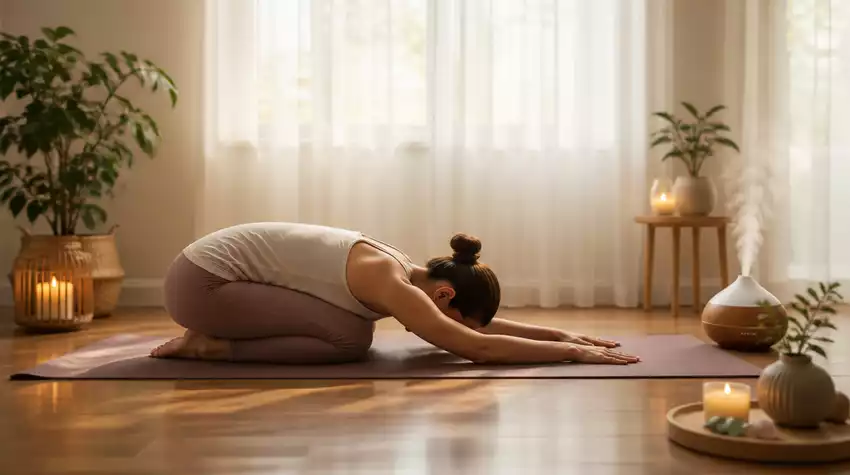
When we talk about gentle movement, it encompasses various practices that focus on the body's natural rhythms and energy. These may include disciplines like Tai Chi, Qigong, and Yoga, which prioritize slow and mindful movements over high-impact exercises. By engaging in these activities, we can cultivate a deeper connection with our body and enhance our overall health.
Mindful movement is the art of paying attention to how our bodies feel as we move. It allows us to connect better with our body's needs, fostering a sense of awareness and presence. By embracing mindful movement, we can:
Have you ever noticed how good it feels to stretch or breathe deeply? That’s the power of mindful movement! It invites us to slow down and listen to what our bodies are telling us.
Reiki is another wonderful practice that complements gentle movement beautifully. This ancient Japanese technique focuses on channeling energy through gentle touch. It's believed to help balance the body’s energy and promote healing. Those who experience Reiki often report a sense of calm and relief from tension. By incorporating Reiki with gentle movement, we can amplify our energy flow! This combination can lead to profound shifts in our emotional and physical states, further enhancing our daily energy flow.
Energy flow is crucial for our overall vitality and well-being. When our energy is flowing freely, we often feel more vibrant, alert, and connected to ourselves. In Traditional Chinese Medicine, it's said that blockages in energy flow can lead to discomfort and disease. Therefore, nurturing our energy becomes essential for maintaining a healthy lifestyle!
Have you ever felt low energy or irritable? These feelings can often stem from stagnant energy. Here are some key ways energy flow influences our mood:
Recognizing the connection between energy and mood can empower us to explore practices that keep us balanced and joyful!
Research shows that gentle movement can have significant benefits, not just for our bodies but for our minds as well. Studies indicate that individuals who engage in gentle movement practices experience:
These findings align perfectly with my experiences in Traditional Chinese Medicine, where the flow of qi is fundamental for health. When we engage in practices that support gentle movement, we embrace a holistic approach to wellness!
Integrating practices like Tai Chi, Qigong, and Yoga into our routines can create a powerful synergy for energy flow. Each of these disciplines offers unique benefits that contribute to our overall well-being.
Tai Chi is often described as "meditation in motion." It emphasizes slow, flowing movements that help balance the body's energy. Some benefits include:
Practicing Tai Chi can feel like a gentle dance, allowing us to sync with the rhythm of our energy!
Qigong combines movement, meditation, and breath control, making it an excellent tool for energy cultivation. Through Qigong, practitioners can:
By incorporating Qigong into our lives, we can harness our vital energy to support our health journey.
Yoga beautifully integrates gentle movement with mindfulness. As we practice yoga, we not only stretch our bodies but also tune into our thoughts and emotions. Benefits of yoga include:
Yoga invites us to embrace our bodies and promotes a deep sense of connection to our inner selves, which resonates with the mission of The Meridian Connection! For more insights into how these practices can assist in balancing Qi for better health, consider exploring further resources.
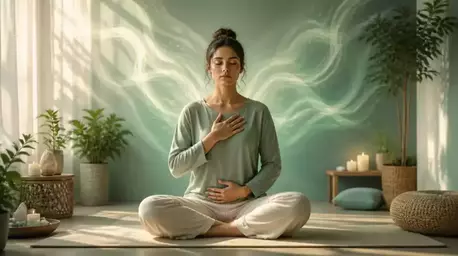
To enhance your experience with gentle movement, try incorporating deep breathing exercises as you practice. Focusing on your breath not only calms the mind but also helps to channel your energy more effectively. This combination can amplify the benefits of your gentle movements, making you feel more centered and invigorated!
At The Meridian Connection, understanding the concerns surrounding gentle movement is essential to helping individuals embark on their wellness journeys. Many people worry about whether they are fit enough to start or if certain movements might cause more harm than good. By addressing these common concerns, we can ensure that everyone feels empowered to explore the benefits of gentle movement and maintain an optimal flow of energy.
When it comes to practicing gentle movement, safety should always be a top priority. It’s vital to be aware of personal limitations and any health conditions that might warrant caution. This awareness helps you enjoy the experience and avoid unnecessary risks.
Before diving into gentle movement practices, let’s identify who should practice. Gentle movement is suitable for a wide range of individuals, including:
However, some individuals may need to approach gentle movement with caution. If you have specific health concerns, consider consulting with a healthcare professional. Here are some indications for when you might want to avoid certain movements:
Recognizing the signs your body gives you is crucial. If you experience significant discomfort or pain during practice, it’s essential to stop immediately. Gentle movement should feel soothing, not taxing. It’s also wise to modify movements or seek guidance if you’re unsure. This approach fosters a sense of well-being while ensuring your safety.
Listening to your body is an invaluable skill that can transform your experience with gentle movement. Remember, it’s okay to take it slow and be kind to yourself as you explore.
Many questions arise regarding the effectiveness of gentle movement in boosting energy. A common query is, does gentle movement increase energy? The answer is yes! Engaging in gentle movement can stimulate the flow of qi, leaving you feeling revitalized and connected to your body.
Another frequently asked question is, what are the best movements for reducing tiredness? Here’s a quick list of gentle movements that can help:
Lastly, how can one move without overexertion? Focus on slow, deliberate movements while breathing deeply. This method allows you to remain mindful of your body and helps cultivate a sustainable energy flow.
Remember, gentle movement is about finding balance—not pushing your limits. Pay attention to how your body responds during practice, and modify movements to suit your energy levels. Regularly checking in with yourself can help maintain that vital connection to your qi.
As we wrap up our discussion on gentle movement, let’s highlight some measurable outcomes of a consistent practice. Many individuals notice improvements in their overall well-being, such as:
Integrating gentle movement into your routine can also lead to long-term adherence to healthier habits. The more you practice, the more you will appreciate the healing benefits of gentle movement and energy flow.
To make gentle movement a regular part of your life, consider these simple tips:
Connecting with others who share similar goals can help foster a supportive community around gentle movement. At The Meridian Connection, we believe that everyone can benefit from these practices, leading to a harmonious balance of body, mind, and spirit.
As we continue to explore the world of gentle movement, keep in mind that every step you take towards wellness is a significant achievement. Embrace the journey and trust in the process of cultivating energy flow. You are not alone—let’s support one another in this beautiful exploration!
In addition to gentle movement, there are numerous practices that can enhance your overall well-being. Consider trying:
Understanding the role of body alignment and functional movement is crucial in maximizing your gentle movement journey. As you explore these additional practices, you’ll find yourself well on your way to achieving holistic health. For those interested in deeper insights, exploring how energy flow in Traditional Chinese Medicine can be further balanced is highly recommended, as it provides a comprehensive understanding of these vital connections.
Here is a quick recap of the important points discussed in the article:
By Kiran Wu / Oct 16
By Kiran Wu / Oct 11
By Kiran Wu / Oct 04