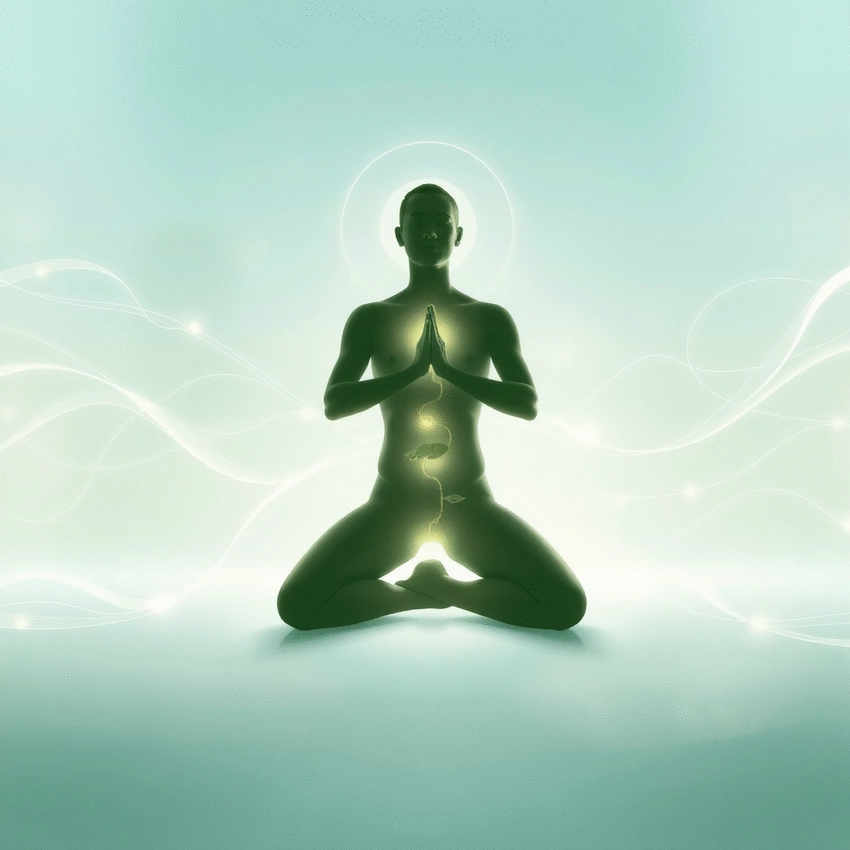

Breath Awareness for Energy Flow
By Kiran Wu / Oct 16
Did you know that the meridian system in Traditional Chinese Medicine (TCM) is often referred to as the body's energy highways? Understanding this system can unlock profound insights into your health and well-being. As we navigate the intricate relationship between energy flow, emotional health, and organ function, you will discover practical approaches to enhance your vitality.
Understanding the emotional implications of meridians is vital for holistic health. Below is a concise overview of some key meridians and their associated emotional health impacts. To learn more about how these pathways function, explore understanding acupuncture and meridians.
Associated Emotion: Anger and Frustration
Associated Emotion: Joy and Contentment
Associated Emotion: Worry and Overthinking
Associated Emotion: Fear and Insecurity
When we talk about meridian energy flow, it’s essential to understand that this concept is a cornerstone of Traditional Chinese Medicine (TCM). At The Meridian Connection, we believe that meridians are like the highways of energy in our bodies, guiding the vital life force known as qi (or chi). By exploring how these pathways function, we can better appreciate their profound impact on our overall well-being.
Meridians are not just abstract ideas; they represent a network that connects our physical and emotional health. When we recognize the flow of qi through these meridians, we can gain insights into how to restore balance and harmony within ourselves. This journey of discovery can be an enlightening experience for anyone seeking to improve their health and vitality!
In TCM, the meridian system consists of twelve main pathways that correspond to various organs and bodily functions. These pathways transport qi throughout the body, ensuring that energy flows freely and effectively. Understanding this system is vital for anyone interested in harnessing the power of acupuncture and holistic health. For more detailed information on this topic, explore articles on energy flow in Traditional Chinese Medicine.
To provide a clearer overview, let’s break down the essentials of meridian systems:
Qi is the essence of life; it flows through us like a river, nourishing our physical body and emotional state. In TCM, we believe that when qi flows freely, we experience health and vitality. However, when this flow is disrupted—due to stress or physical ailments—it can create blockages. At The Meridian Connection, I often see how restoring this flow through acupuncture can lead to profound changes in individuals' lives.
Think of your qi as the water in a garden; if the water flows well, the garden flourishes. But if there are blockages, the plants become wilted and unwell. Understanding how to maintain this flow is crucial for our overall health.
Meridians play a significant role in linking our physical organs with emotional health. Each pathway corresponds to specific organs, and disturbances in one area can greatly affect others. For example, the Liver Meridian is tied to feelings of anger or frustration. When this meridian is blocked, you might find yourself feeling irritable or stressed.
Here are a few key connections between meridians and emotions:
By recognizing these connections, we can take proactive steps towards healing and balance, making our journey toward holistic wellness even more meaningful!
Embracing the principles of Yin and Yang is crucial for understanding meridian energy flow. These two opposing forces work together to create balance in our bodies. When Yin and Yang are in harmony, our energy flows smoothly, leading us to a state of well-being. But when one is dominant over the other, we can experience various health issues. To delve deeper into this concept, consider exploring how harmonizing energy flow in TCM can benefit you.
At The Meridian Connection, I often emphasize this balance in my practice. By identifying whether a person's energy leans more towards Yin or Yang, we can tailor treatments that promote harmony and restore health!
By applying the principles of Yin and Yang, we can approach our health in a more holistic manner. Here are some practical ways to balance energy flow:
Having a balanced approach allows us to maintain our qi flow, leading to a more fulfilling life. What can you do today to cultivate this balance in your own life?
As we delve deeper into the significance of meridian energy flow, consider this: How attuned are you to your own body's energy? Reflecting on your daily experiences can help you understand the connections between your physical health and emotional well-being. Here are a few questions to ponder:
Share your thoughts in the comments below—let's foster a community of shared experiences and insights!
Here are some common questions about meridian energy flow and its role in Traditional Chinese Medicine.
While Traditional Chinese Medicine (TCM) offers profound insights into meridian energy flow, some may approach these concepts with a hint of skepticism. This skepticism often stems from the challenge of marrying ancient practices with modern scientific standards. To navigate this terrain, it’s important to evaluate the research landscape surrounding meridian systems, focusing on both the evidence presented and the limitations inherent in these studies.
Many clinical studies have explored acupuncture and its effects on health, shedding light on how meridian systems may function. However, as I delve into this topic, I often remind myself and my clients that understanding TCM requires looking at the bigger picture. It’s not just about isolated studies but seeing how these findings fit into a broader understanding of health and well-being.
The body of research on meridian systems is growing, but it remains a mixed bag. Here are some key points to consider:
As I share these insights at The Meridian Connection, I encourage readers to think critically about the information available. It’s not just about accepting or rejecting the evidence, but rather exploring how TCM principles can coexist alongside scientific inquiry.
When examining clinical evidence, it's fascinating to see how modern studies have attempted to quantify what TCM practitioners have known for centuries. For instance, many studies investigate *acupoints* and their correlations with specific health outcomes. However, limitations often arise:
These factors reveal why some researchers are still cautious. The scientific community is gradually warming up to TCM, yet *understanding the nuances* is essential for a more complete picture.
Despite the growing body of literature, certain methodological limitations persist. For example, many studies have small sample sizes or lack control groups, which makes it challenging to draw definitive conclusions. As a result, it's vital for us to remain aware of these limitations when interpreting the findings. It’s like trying to piece together a puzzle with missing pieces; the complete picture remains elusive.
Furthermore, the complexity of human biology means that *individual differences* can significantly affect study outcomes. This is a concept I often discuss with my clients, emphasizing that TCM is personalized and may not always align with generalized research findings.
Bridging the gap between traditional concepts of qi and modern biochemical mechanisms is an exciting area of exploration. Understanding how qi translates to measurable biological effects can provide valuable insights into the workings of our body’s energy systems.
As I delve deeper into this topic, I encourage others to consider the intricacies of our body’s functions. From a biochemical perspective, we can begin to see how energy flows can manifest tangible changes in health.
At its core, the concept of qi hinges on the idea that our life force can influence our health. Here’s how we can connect qi to measurable biological effects:
By integrating these findings, we can begin to appreciate the harmony between ancient wisdom and contemporary science.
At the cellular level, qi can be seen as a force that drives various biological processes. For instance, the regulation of ion transport and energy production within our cells are fundamental aspects of how qi manifests. Understanding these mechanisms helps clarify how blockages in energy flow can lead to health issues.
This brings us to an essential point: energy blockages can have a profound impact on our health. When I discuss this with clients, I often draw parallels to their personal experiences—how stress or negative emotions can manifest physically. It’s a reminder that our emotional and physical states are deeply intertwined. For strategies to overcome such blockages, consider reading about meridian blockages and qi flow.
Energy blockages are a central theme in TCM and can significantly impact our health. Here’s how they can manifest:
As I share these insights at The Meridian Connection, I encourage readers to consider their own experiences with energy flow. How might you be able to identify and address blockages in your life?
When energy is blocked, it can have a ripple effect on our overall well-being. For many, this leads to feelings of fatigue, anxiety, or even chronic pain. It’s crucial to listen to our bodies and recognize when we might need to take action to restore balance.
To encourage healing, I often suggest simple practices such as mindfulness, acupuncture, or gentle stretching to help release these blockages. Remember, it’s about fostering awareness and understanding how energy flows within us. Together, we can explore these pathways and seek harmony in our lives. Delve into the details of meridians' impact on physical health for further insights.
As we look ahead, the potential for new insights into meridian functionality is vast. With advances in modern imaging and neuroimaging techniques, researchers are beginning to uncover the intricacies of how meridians operate within the body.
At The Meridian Connection, I’m excited to watch this field evolve and how it might further validate the benefits of TCM. It reinforces the idea that exploring our *energetic pathways* is essential for holistic health.
Recent technological advancements have opened doors to understanding meridian systems in new ways. Here are some areas of focus:
By embracing these emerging technologies, we can continue to explore and validate the mechanisms behind meridian energy flow.
The exploration of meridian functionality is just beginning. By integrating TCM principles with modern scientific research, we can unlock new understandings of health and wellness. As I engage with clients and the community, I often encourage a spirit of curiosity—what new discoveries lie ahead for us in the realm of meridians?
With every advancement in research, we inch closer to bridging the gap between ancient wisdom and modern understanding. Let’s embrace this journey together, learning from each other and the rich traditions of TCM!
As we conclude this journey through the world of meridian energy flow, several key takeaways emerge. Understanding the interplay between ancient practices and modern science can significantly enhance our awareness of health and well-being.
As you reflect on these insights, I invite you to engage further with TCM and explore your own journey of understanding qi and energy flow. Together, we can foster a community that embraces holistic health and the wisdom of Traditional Chinese Medicine. What practices can you incorporate into your daily life to enhance this connection? Let’s continue this exploration!
Here is a quick recap of the important points discussed in the article:
By Kiran Wu / Oct 16
By Kiran Wu / Oct 11
By Kiran Wu / Oct 04